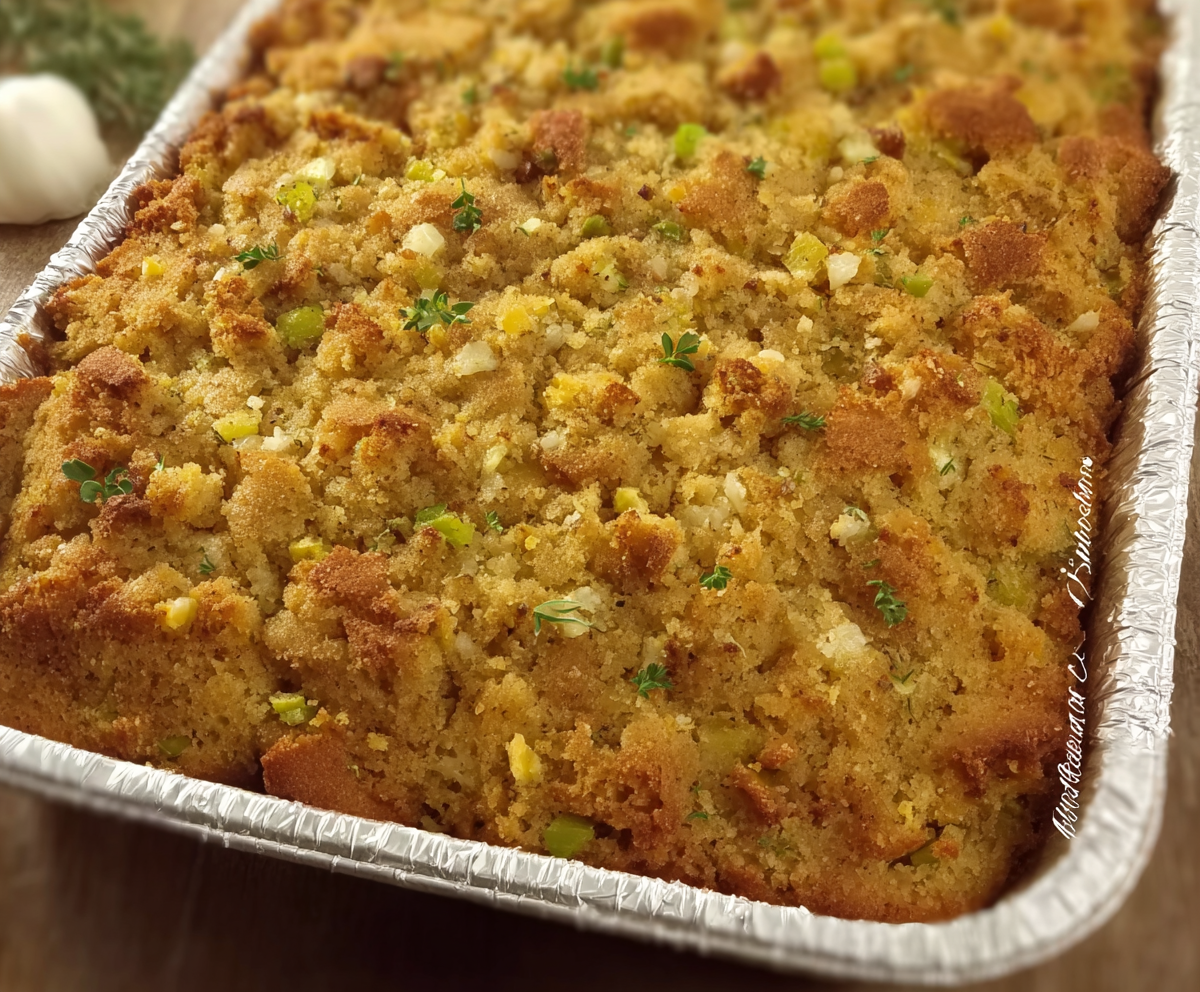
Your Guide to Authentic Southern Cornbread Dressing From Scratch
There are some dishes that transcend mere sustenance, becoming a true celebration of heritage, comfort, and togetherness. For many, especially in the American South, authentic cornbread dressing holds this cherished spot. More than just a side dish, it's a culinary cornerstone of holiday tables and family gatherings, evoking warmth, nostalgia, and a profound sense of "down home" love. While many store-bought options exist, nothing compares to the rich, complex flavors and perfect texture of
homemade cornbread dressing from scratch.
Imagine the aroma wafting through your kitchen – a symphony of sage, savory vegetables, and the comforting scent of freshly baked cornbread. That's the magic we're talking about. This guide will walk you through everything you need to know to create the very best Southern cornbread dressing, entirely from scratch, ensuring a dish that will have your family asking for seconds (and the recipe!).
What Exactly is Southern Cornbread Dressing?
Before we dive into the delicious details of making cornbread dressing from scratch, let's clarify what this beloved dish truly is. At its heart, Southern cornbread dressing is a savory, baked side dish that utilizes crumbled cornbread as its primary base, rather than traditional bread or stuffing mixes. It’s a foundational element of Soul Food cuisine and a staple at Thanksgiving, Christmas, and countless Sunday dinners throughout the South.
The core components typically include:
- Crumbled Cornbread: Often day-old and unsweetened, providing a distinct texture and flavor.
- Aromatic Vegetables: A sautéed medley of onions, celery, and sometimes bell peppers forms the savory backbone.
- Herbs and Spices: Sage is paramount, often complemented by thyme, parsley, and plenty of black pepper.
- Broth: Chicken or turkey broth provides essential moisture and flavor.
- Eggs: Act as a binder, holding the dressing together and contributing to its moist texture.
- Optional Additions: Some recipes include canned cream of mushroom or chicken soup for extra creaminess, or even shredded cooked poultry (turkey or chicken) for a heartier dish.
Once assembled, the mixture is baked to golden-brown perfection, yielding a dish that is wonderfully moist on the inside with deliciously crispy edges.
It's also worth addressing the "dressing" versus "stuffing" debate. Traditionally, "stuffing" is cooked inside the cavity of the holiday bird, while "dressing" is baked in a separate dish. However, these terms have become largely interchangeable, especially in modern kitchens. In the South, you're overwhelmingly more likely to hear it called "dressing," regardless of whether it ever sees the inside of a turkey. What truly matters is the irresistible flavor!
Why Go "From Scratch" for Your Cornbread Dressing?
You might be wondering if the effort of making authentic cornbread dressing from scratch is truly worth it when convenient boxed mixes are available. The resounding answer from any true Southern cook is a heartfelt YES! Here’s why embracing the "from scratch" philosophy for your cornbread dressing is non-negotiable for an authentic experience:
Unrivaled Flavor Depth
Using homemade cornbread as your foundation immediately elevates the dish. Store-bought mixes often contain added sugars and preservatives that detract from the savory profile crucial for genuine Southern dressing. By making your own cornbread, you control the ingredients, ensuring a rich, earthy, and slightly crumbly base that perfectly absorbs the other flavors. Freshly sautéed aromatics and a generous hand with fresh herbs like sage and thyme infuse the dressing with a vibrancy that pre-packaged seasonings simply cannot replicate. This homemade touch truly is the secret ingredient that sets an authentic Soul Food cornbread dressing apart.
Control Over Ingredients and Quality
When you make a dish from scratch, you have complete command over what goes into it. This means you can choose fresh, high-quality vegetables, opt for low-sodium broths, and adjust seasonings to your exact preferences. This control is invaluable, especially for those with dietary restrictions or who simply prefer to avoid artificial additives. It’s a healthful and flavorful approach to cooking.
Superior Texture
The magic of Southern cornbread dressing lies in its unique texture – moist and tender throughout, with delightful crispy, golden-brown edges. Achieving this perfect balance is far easier when you control the cornbread's consistency and the amount of liquid added. Homemade cornbread often dries out slightly more evenly, allowing it to absorb the broth and egg mixture beautifully without becoming mushy.
The Joy of Tradition and Connection
Making cornbread dressing from scratch is more than just cooking; it's an act of love and a connection to generations of family tradition. For many, this dish evokes memories of grandmothers and aunts meticulously preparing it for holiday feasts. It’s a labor of love, yes, but the payoff isn't just a delicious meal – it's the pride of carrying on a culinary legacy and sharing a piece of your heart with your loved ones. This feeling of "down home" comfort is an integral part of the experience. For a classic family recipe, check out our guide on
Southern Comfort: Grandma's Never-Fail Cornbread Dressing.
The Essential Components of a Perfect From Scratch Cornbread Dressing
Crafting the perfect homemade cornbread dressing involves attention to each component. Here’s a deeper dive into the key ingredients that will make your dish unforgettable:
1. The Cornbread Base: Unsweetened and Crumblin' Good
This is arguably the most critical element. For authentic Southern cornbread dressing, you absolutely must use unsweetened cornbread. Sweet cornbread, while delicious on its own, will clash with the savory profile of the dressing. Ideally, bake your cornbread a day or two in advance and let it sit out, uncovered, to dry out slightly. This allows it to better absorb the liquids without turning into a soggy mess. Using a cast iron skillet to bake your cornbread adds a rustic, flavorful crust that contributes beautifully to the dressing's texture. Don't be afraid to make a large batch of cornbread just for this purpose!
2. The Aromatic Vegetables: A Savory Foundation
The "holy trinity" of Southern cooking—onion, celery, and often bell pepper—forms the aromatic heart of your dressing. Finely dice these vegetables so they cook down evenly and integrate seamlessly into the dressing. Sautéing them in butter until softened and translucent, but not browned, builds a deep foundational flavor that permeates every bite. Some cooks also add garlic for an extra layer of pungency.
3. Herbs and Spices: The Soul of the Seasoning
Sage is the star of the show here. Whether you use fresh sage, finely chopped, or dried rubbed sage, its distinctive earthy, peppery, and slightly minty aroma is synonymous with cornbread dressing. Don't be shy with it! Complement the sage with dried thyme, black pepper (freshly ground is always best), and a good pinch of salt. Poultry seasoning is also a common and convenient blend that many Southern cooks rely on, often containing a balanced mix of sage, thyme, rosemary, and other spices. Tasting your mixture before adding the eggs is crucial for adjusting the seasoning.
4. The Liquid & Binder: Moisture and Cohesion
Chicken or turkey broth provides the necessary moisture, softening the cornbread and carrying the flavors throughout. Opt for low-sodium broth to control the salt content. The amount of broth can vary depending on how dry your cornbread is, so add it gradually until the mixture is very moist but not soupy. Eggs are essential binders, helping the dressing hold its shape once baked. Beat them lightly before incorporating them into the mixture. Some traditional recipes also call for a can of cream of mushroom or chicken soup, which adds an undeniable richness and creaminess that many families adore. If you prefer a lighter, less "canned soup" flavor, simply increase the broth and perhaps add a splash of heavy cream.
5. Optional (But Often Delicious) Add-ins
While the basic recipe is phenomenal, many cooks love to personalize their dressing with additions:
- Cooked Meat: Shredded leftover turkey, cooked chicken, or even crumbled breakfast sausage can make the dressing a heartier main course or a more substantial side.
- Water Chestnuts: For a surprising crunch.
- Pecans: Toasted pecans add a lovely nutty flavor and texture.
- Corn: Fresh or frozen corn kernels for a touch of sweetness and texture.
Mastering Your From Scratch Cornbread Dressing: Tips for Success
Making the perfect from scratch cornbread dressing is an art, but these practical tips will guide you to a consistently delicious outcome:
- Prep Your Cornbread Ahead: As mentioned, bake your unsweetened cornbread a day or two in advance. Let it cool completely, then crumble it into a large bowl. Allowing it to dry out slightly prevents a gummy texture.
- Don't Skimp on the Butter: Sautéing your aromatics in real butter adds incredible depth of flavor. Embrace it!
- Taste, Taste, Taste: Before you add the raw eggs, taste your cornbread mixture. This is your chance to adjust salt, pepper, and herbs. Remember that flavors will mellow slightly during baking, so err on the side of slightly bolder seasoning.
- Aim for the Right Moisture Level: The mixture should be very moist, almost wet, before it goes into the oven. The cornbread will absorb a significant amount of liquid as it bakes. If it looks dry, add more broth, a quarter cup at a time, until it resembles a thick, loose batter. This is key for a truly moist cornbread dressing.
- Bake Smart: Start by baking your dressing covered with foil. This traps moisture and ensures the interior cooks evenly and stays tender. For the last 15-20 minutes, remove the foil to allow the top to brown beautifully and develop those coveted crispy edges.
- Make-Ahead Friendly: Cornbread dressing is a fantastic dish for meal prepping, especially during busy holidays. You can assemble the entire dressing mixture (minus the eggs if you're freezing for a long time) and refrigerate it for up to two days before baking. For longer storage, freeze the unbaked dressing in a freezer-safe dish. Thaw overnight in the refrigerator before baking.
- Serve It Right: While delicious hot from the oven, allow your dressing to rest for 10-15 minutes before serving. This allows it to set slightly, making it easier to scoop and ensuring it stays together beautifully on the plate.
Crafting authentic Southern cornbread dressing from scratch is a rewarding experience that yields an undeniably superior dish. It’s a testament to the power of traditional cooking and the joy of creating something truly special with your own hands. So gather your ingredients, follow these steps, and prepare to delight your family and friends with a truly unforgettable taste of the South.